
Enterprise-Scale ETL Engine Built for a Major Global Wireless Telecommunications Provider
NeoSOFT delivered this project. It is shown as an example of work, not as Sthenos past performance.
Updated
Transforming massive, scattered data into actionable insights through a high-performance ETL and analytics platform
Client Overview
The client is a major global provider of wireless telecommunications services, operating across multiple geographies and serving millions of customers daily. With data flowing continuously from networks, customer platforms, and campaign systems, the organization needed a scalable way to process, analyze, and act on information in near real time.
NeoSOFT partnered with the client to design and implement a robust ETL and analytics engine capable of consolidating data from disparate sources and delivering meaningful, decision-ready insights.
Challenge
- Critical data scattered across multiple platforms and channels, making consolidation complex
- Heavy reliance on manual data processing, increasing duplication and error risk
- Limited analytical tooling, restricting the ability to extract accurate, timely insights
- Delayed KPI visibility, slowing operational and strategic decision-making
Our Approach
NeoSOFT designed the solution with scalability, automation, and analytical depth at its core.
Centralized Data Processing
A unified ETL pipeline was built to ingest, transform, and process large volumes of data from multiple geographic locations and systems.
Automated KPI Computation
Daily KPIs were calculated at a regional level and distributed automatically to stakeholders, eliminating manual reporting cycles.
Insight-Driven Analytics
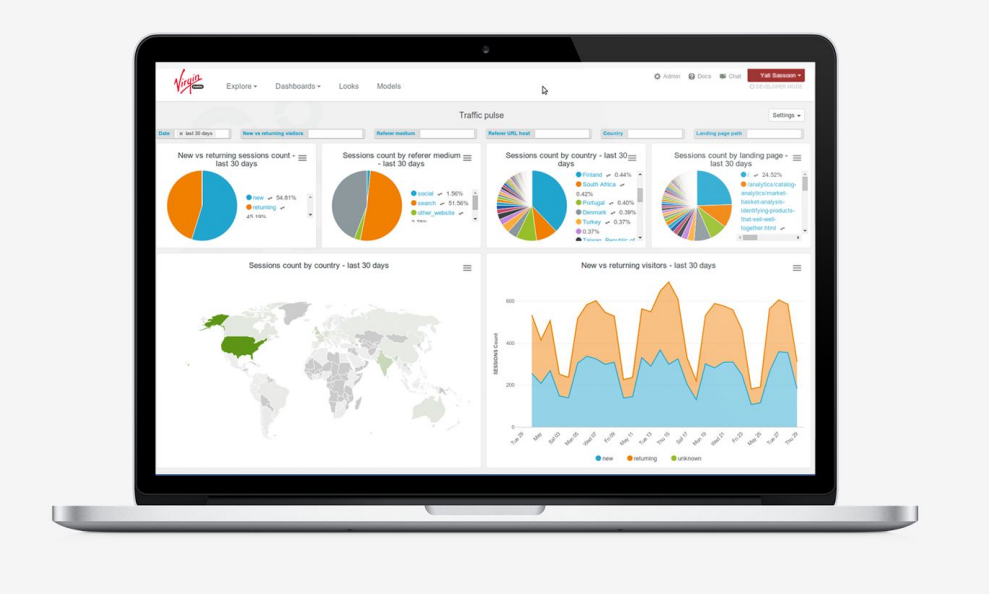
Processed data was transformed into structured datasets and visual outputs, enabling teams to quickly interpret trends and performance.
API-Driven Data Access
APIs were developed to fetch customer-specific and campaign-level data, supporting targeted analysis and audience segmentation.
Technical Spotlight
- Scalable Data Processing: Python and Java 8 powered data ingestion and transformation logic, supporting high-volume processing.
- Distributed Data Handling: Hadoop enabled scalable processing of large datasets across distributed environments.
- Data Warehousing: Amazon Redshift provided high-performance analytical storage for processed datasets.
- Workflow Orchestration: Apache Airflow managed and automated ETL workflows, ensuring reliability and scheduling consistency.
- Reliable Data Storage: SQL Server supported structured data management and transactional reliability.
- Automated Notifications: Twilio enabled automated alerts and communications for reporting and operational updates.
Solution Delivered
- Ingestion and processing of massive, multi-source datasets
- Automated transformation and aggregation of data into analytics-ready formats
- Daily KPI computation and distribution across regions
- APIs enabling targeted data access for campaigns and business units
Results
- Automation of data processing and reporting workflows
- Faster operations, reducing time from data ingestion to insight
- Improved decision-making, driven by timely, accurate analytics
- Reduced duplication, errors, and operational overhead
Tech Stack





An ETL and analytics engine for a wireless telecommunications provider, consolidating data from networks, customer platforms and campaign systems into decision-ready insight. Operating across multiple geographies, the provider needed a scalable way to process, analyze and act on that data in near real time.
A provider of wireless telecommunications services across multiple geographies.
Data flows in continuously from networks, customer platforms and campaign systems.
An ETL and analytics engine: ingestion, transformation, daily KPIs and APIs for targeted data.
With Amazon Redshift for analytics, Apache Airflow for orchestration and SQL Server.
On this page
- From scattered data to decision-ready insight
- The pipeline, stage by stage
- Sources to insight: where each technology sits
- Related data and telecom pages
From scattered data to decision-ready insight
The provider's four data problems as the case study lists them, against the four capabilities it lists under Solution Delivered.
The data problem
Challenge- Critical data scattered across multiple platforms and channels, making consolidation complex
- Heavy reliance on manual data processing, increasing duplication and error risk
- Limited analytical tooling, restricting the ability to extract accurate, timely insights
- Delayed KPI visibility, slowing operational and strategic decision-making
What the engine does
Solution delivered- Ingestion and processing of large, multi-source datasets
- Automated transformation and aggregation of data into analytics-ready formats
- Daily KPI computation and distribution across regions
- APIs enabling targeted data access for campaigns and business units
The pipeline, stage by stage
The case study gives the pipeline's first three stages in order: ingest, transform and process. The two stages after them restate what it says happens to the processed data.
- IngestData from multiple geographic locations and systems enters one unified pipeline, through ingestion logic written in Python and Java 8.Python and Java 8
- TransformThe same Python and Java 8 logic transforms and aggregates the data into analytics-ready formats.Python and Java 8
- Process and storeHadoop processes large datasets across distributed environments; processed datasets go to Amazon Redshift and become structured datasets and visual outputs.Hadoop and Redshift
- Compute the daily KPIsKPIs are calculated every day at a regional level and distributed to stakeholders automatically, and Twilio sends automated alerts for reporting and operational updates.KPIs and Twilio
- Serve targeted dataAPIs fetch customer-specific and campaign-level data for targeted analysis and audience segmentation.APIs
Sources to insight: where each technology sits
The engine's named parts in one picture, from the three sources the case study names to the three kinds of output it produces.
Figure 1. From three data sources to KPIs, datasets and APIs
Sources, stages and technologies are the ones the case study names. It says Apache Airflow manages and schedules the ETL workflows, so Airflow is drawn beside the pipeline rather than as a stage in it; SQL Server holds structured data beside the Redshift warehouse, and Twilio sends the automated alerts for reporting.
Related data and telecom pages
The telecom industry page, data and engineering services that match the engine's scope and stack, and a second telecom case study.
Looking to modernize data processing or build high-performance analytics pipelines?
Book a free consultation with Sthenos to explore solutions designed for scale, speed, and actionable insight.